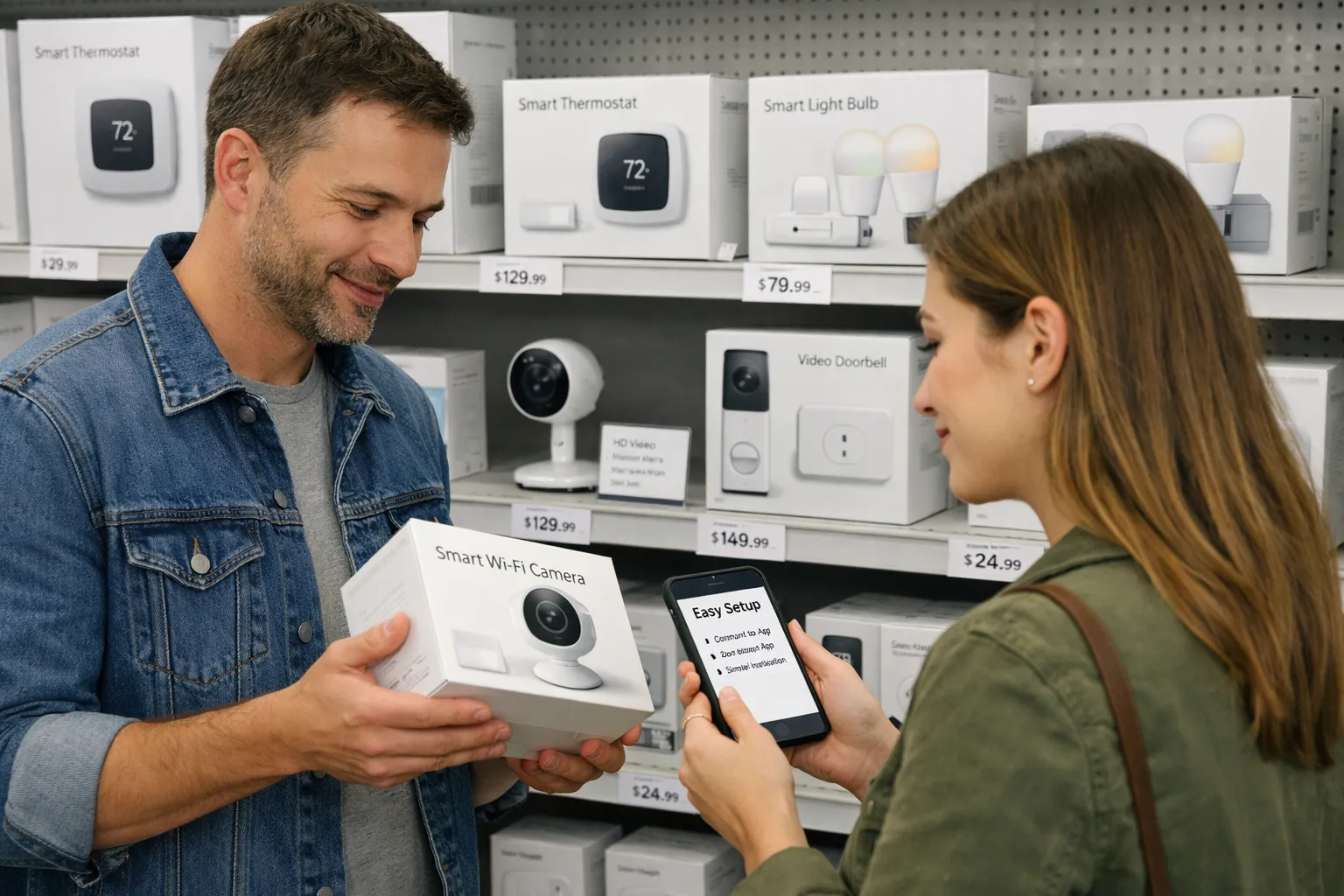
Recent smart home devices reveal that consumers want reliability and simplicity over flashy features. If you walk through any consumer electronics store, you’ll notice something different about the newest releases. Because the developers are now focusing less on adding hundreds of functions and more on making a few things work really well.
After hands-on testing dozens of products this year, a pattern became clear. Most people don’t care about voice commands for every appliance or apps to control their toaster. They want a device they can install once, connect to their phone, and forget about it.
This article breaks down what current smart device trends tell us about how families use technology at home. Plus, you’ll see which features buyers value and which ones they ignore.
Keep reading to learn what makes today’s connected home products worth the money.
Smart Home Devices Are Getting Simpler, Not Smarter
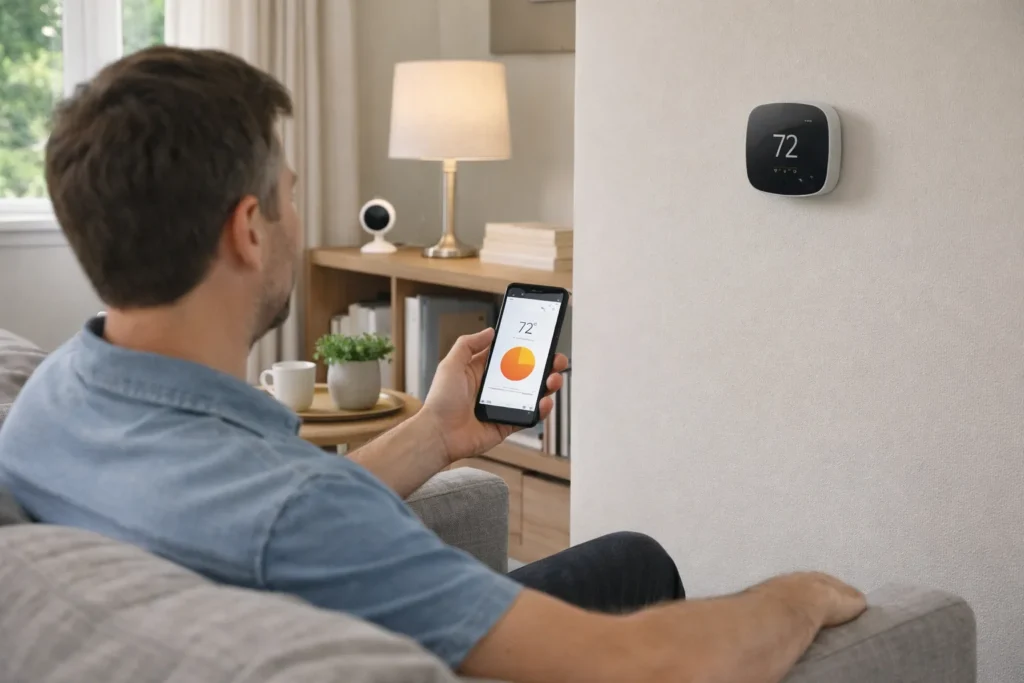
Remember when smart fridges promised to order your groceries automatically? (Yeah, that never really took off)
That’s because manufacturers now focus on reliable basic functions rather than adding features nobody needs. The best smart home devices usually prioritize easy setup and everyday tasks over complicated capabilities.
So walk into any room with hundreds of tested smart home products, and you’ll notice the winners share something in common. They do one or two things really well.
Take app control as an example. Most people want to adjust their thermostat from bed or check their security camera while traveling.
Beyond that, they never use those extra features. Companies finally learned this lesson after years of cramming preset scenes and voice commands into products that ended up in closets.
To be more specific, this shift happened because real-world data showed how families use these devices. Simple wins every time.
What Battery Life and USB-C Tell Us About User Priorities
Battery life and USB-C adoption show that people value convenience and compatibility in how devices charge and perform.
Let’s break down how these priorities show up in real products:
USB-C Becomes the Universal Standard
New devices finally ditch proprietary charging cables for standard USB-C connections. This shift means fewer tangled cords and chargers cluttering your home. You can grab any USB-C cable from your phone, laptop, or tablet to charge your security camera or display.
In this case, Apple’s switch pushed other manufacturers to commit fully. When the biggest smartphone maker adopts universal charging, the rest of the consumer electronics world follows. Now your gear connects with cables you already own instead of requiring special adapters.
Battery Life Expectations Keep Rising
Users these days expect devices to last weeks or months rather than just days. On the flip side, companies also compete on standby time because frequent charging constantly annoys people. Security camera models now offer year-long battery life through better power management and smarter energy use.
Besides, it makes total sense when you think about where you need to install these cameras. Nobody wants to climb a ladder every month to swap batteries on a monitor mounted above their garage. Plus, wearable technology like smartwatches pushed these expectations higher across all electronics.
Most People Want Fewer Charging Hassles
Mostly, the best-selling devices share two things: minimal maintenance and charging frequency. Consumers typically choose products they can install once and basically forget about afterward. In that sense, lower battery anxiety leads to higher adoption rates across connected home devices.
This explains why matter compatibility became so important. Most people want reliable gear to work together without constant troubleshooting or updates interrupting their routines.
Security Cameras and Air Quality: The New Must-Haves
With new device categories, you can easily solve real problems. For example, two years ago, air quality monitors were niche products for health enthusiasts. Now they’re standard equipment in living rooms and bedrooms.
Here’s why these categories exploded:
Security Camera Features Everyone Actually Uses
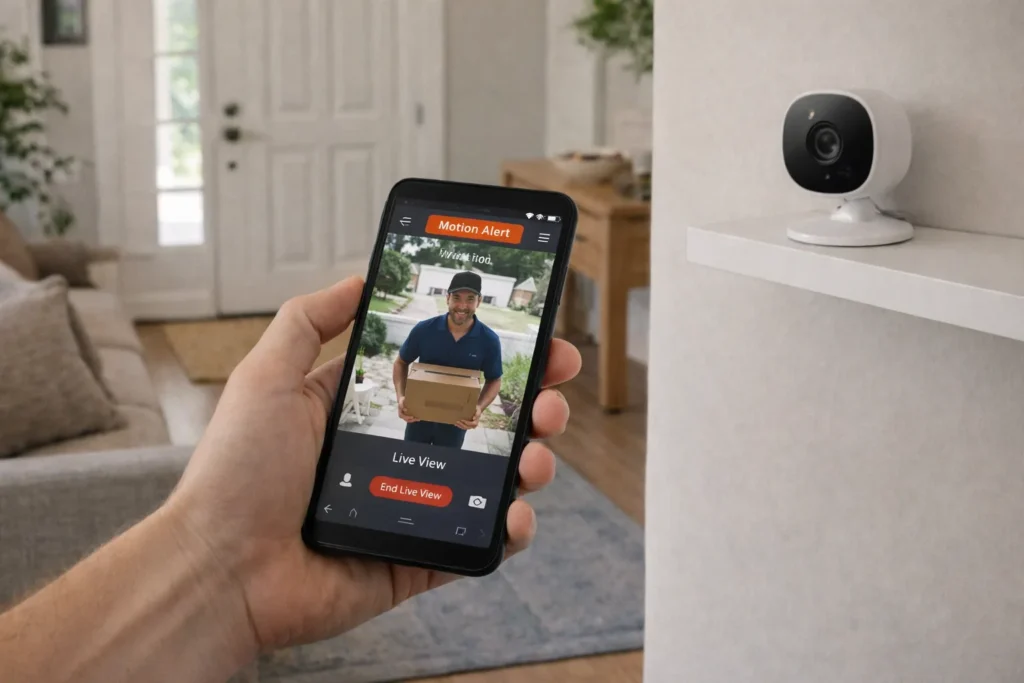
Today, people want motion alerts and live viewing in security cameras rather than complex AI detection systems.
Besides, wireless installation beats hardwired options because renters prefer flexibility. For instance, you will mount a camera, connect it to your Wi-Fi network, and monitor your space from your phone in minutes. No more extra work.
Furthermore, cloud storage subscriptions remained unpopular, so local recording still sells better. Most buyers usually care about only checking video doorbells when someone rings.
Air Quality Monitoring Moves Mainstream
Wildfire smoke and allergies gradually pushed air quality sensors into regular smart home setups. These monitors now come built into thermostats, smart displays, and standalone devices everywhere. Their real-time data also helps families make decisions about windows and outdoor activities.
With this feature, indoor air quality monitoring became useful during wildfire season or pollen spikes. Parents just check the bedroom air before putting kids to sleep. Some models even track sleep quality by monitoring bedroom conditions overnight.
On top of that, space heater users in living rooms track whether heating affects air quality levels shown on companion apps or room displays.
Smart Displays Replace Dedicated Hubs
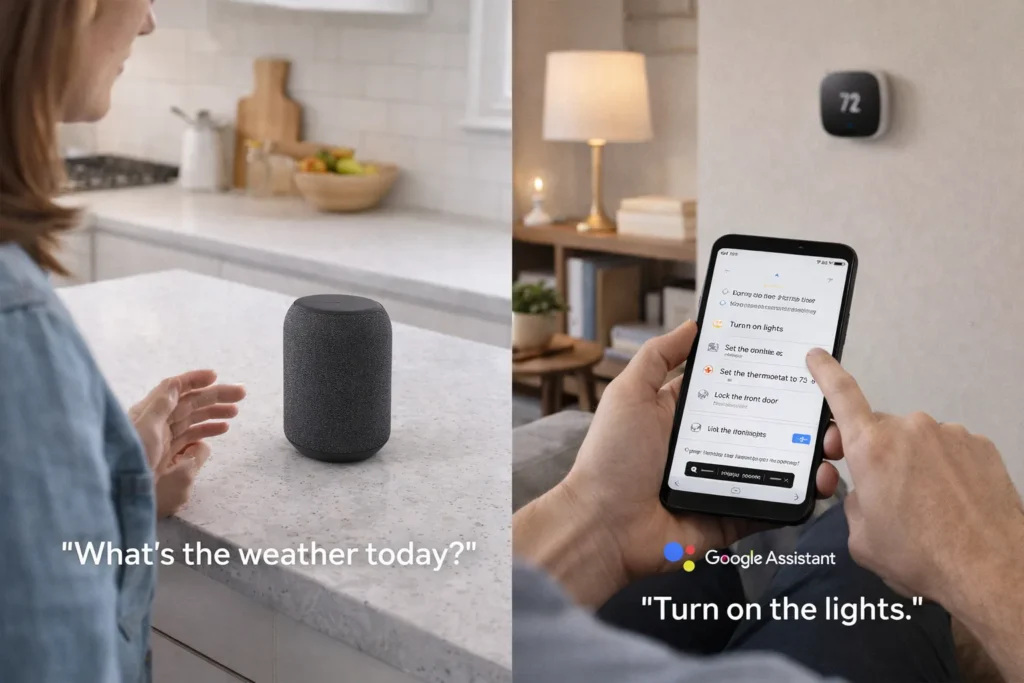
Google Assistant-powered smart displays control everything while showing useful information throughout the day. Meanwhile, touchscreens beat voice-only options for quick adjustments and visual feedback every time. Kitchen counters now feature displays managing schedules, recipes, and home controls.
Displays handle video calls better than speakers, too. You can add items to your grocery list, use voice commands for lights, and check security camera feeds without switching apps on your phone.
This way, having everything visible on one screen in your living room changed how people interact with their connected home setup.
Google Assistant vs. Smart Speakers: A Shifting Landscape
Over time, voice-only smart speakers lost ground to devices with screens and multiple functions.
The competition between Amazon Alexa, Google Assistant, and Apple HomeKit changed how manufacturers design products for living rooms and bedrooms. Google Assistant integration specifically became more important than the device type for most people seeking reliable voice control.
Now, check out what has changed between a smart speaker and a Google Assistant:
- Sound Quality for Music: People who play music in their room care about audio performance. That’s where Google Home devices and Amazon Alexa speakers compete on sound quality. Their affordable models balance decent sound with price.
- Displays Handle Visual Tasks Better: Smart displays with Google Assistant do more than speakers. You can control lights through preset scenes, check camera feeds, and follow recipes on screen. The display also shows information without needing voice control every time.
- Matter Changed Connectivity: Apple HomeKit, Google Assistant, and Amazon Alexa support Matter now. As a result, devices connect through your Wi-Fi network without extra gear. Plus, the connected home became less about one system and more about affordable, reliable products designed specifically for your space.
- Compact Options Still Sell: Devices like Google Home Mini or Echo Dot often serve as secondary units in specific rooms. Meanwhile, smart displays see daily use because voice commands alone can’t match the ease of tapping and controlling a screen.
- Automation Changes Throughout the Day: Device automation often creates routines for different time periods throughout the day. For example, morning routines turn on bedroom lights, and afternoon settings adjust the living room temperature. These preset scenes work through voice control or app settings on your phone.
Verdict: If you want one device for your house, get a display with your preferred voice assistant.
Your Smart Home Doesn’t Need Everything
The best smart home setups focus on a few reliable devices that work together. You don’t need voice control for every appliance or apps to monitor every room. Install what solves real problems in your house and skip the rest.
Battery life, simple connectivity, and features you’ll use daily beat complicated systems collecting dust. Most people get more value from affordable gear doing one thing well than expensive devices trying to do everything.
Start with what your family needs now. Connect a security camera, add a smart display for the kitchen, or grab a space heater with app control. The Demo Blog covers the latest technology and smart home trends to help you make informed choices.
Contact us today and check back for reviews on the latest devices worth your money.