
Young creators are redefining digital workflows by ditching slow production cycles, going mobile-first, and automating the boring stuff. These digital creator trends are changing how the entire industry operates. They’re not waiting for permission or fancy setups. They just start creating and figure things out along the way.
But that’s not all.
If you’re interested in why brands are throwing billions at this space, you’re in the right spot. We’ll show you how these creators work differently and what the industry is learning from them.
If you don’t want to fall behind while the creator economy reshapes marketing, stick with us. We’ll break it all down together.
What Are Digital Creator Trends?
Digital creator trends are the evolving patterns in how creators produce, share, and earn from their content across platforms. Think shorter production cycles, platform-native formats, and heavier reliance on automation tools.
But here’s where it gets interesting. These shifts aren’t random. They mirror how audiences behave now. Overproduced videos get scrolled past, while raw and unfiltered posts get saved and shared.
Content creation has become a fast game. And the creators who understand this are already deep into their digital transformation journey. Brands and businesses that ignore these patterns lose relevance faster than they expect.
Gen Z and Creator Workflows: A Different Approach
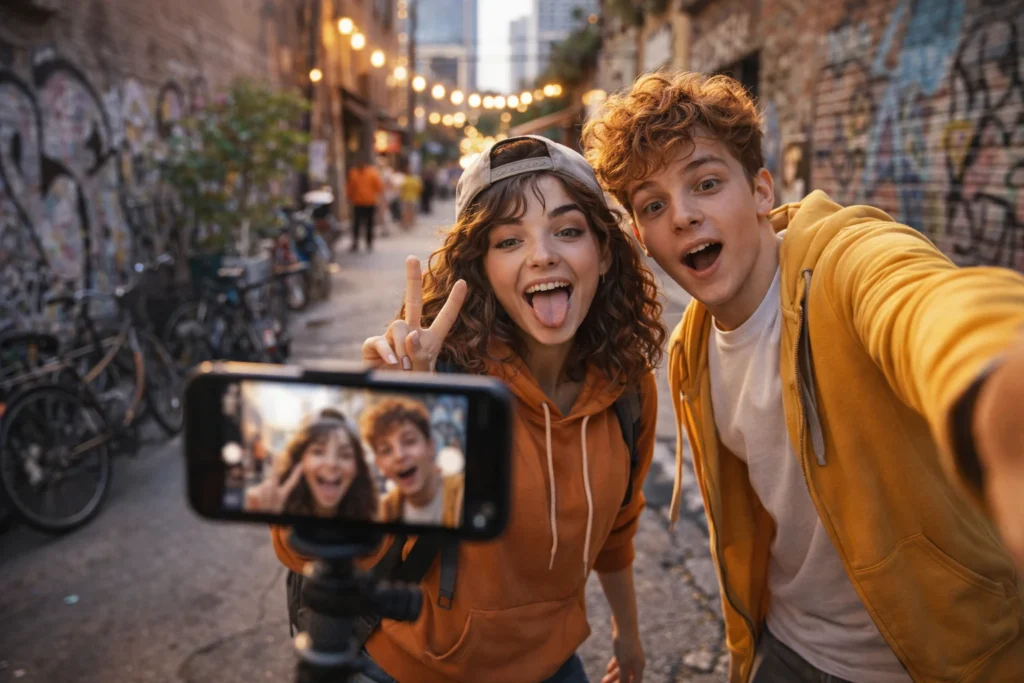
More marketing dollars are flowing toward young creators than ever before. You might be wondering why. It comes down to how Gen Z approaches their creator workflows. Let’s break it down.
Speed Over Perfection
Younger generations hit the ground running when it comes to producing content. They don’t wait for everything to be perfect. Instead, they publish rough drafts and improve as they go.
The culture around content has shifted toward authenticity, and audiences respond better to raw posts than polished productions. Gen Z creators figured this out early, and that’s why they’re winning.
Mobile-First Creation
Most Gen Z creators shoot, edit, and post entirely from their phones. Desktop editing feels outdated to them. From what we’ve observed, even professional creators now prefer mobile-first apps for their workflows. The ability to work from anywhere gives them a serious efficiency edge. No office, no problem.
Collaboration Tools
Tools like Notion, Canva, and CapCut let creators collaborate with their team remotely. No expensive software. No steep learning curves. These innovative solutions automate repetitive tasks so the creative process keeps moving without bottlenecks.
So with all these workflow advantages, it’s no surprise that brands are starting to take notice.
Why Brands Are Paying Attention to Young Creators
Brands are paying attention to young creators for one simple reason. They deliver authentic reach without draining the entire ad budget. On top of that, creator content outperforms polished commercials, and the results speak for themselves. It comes down to two things.
Authentic Engagement
Younger creators build trust through relatability. Their audiences feel like friends, not consumers being pitched to.
So when a creator mentions a product, it lands like a recommendation rather than an ad. This is community building in action, and it’s the kind of engagement advertisers can’t buy through traditional channels.
Better ROI Numbers
Let’s be honest here. Big influencers cost big money, but the engagement doesn’t always follow. Micro and mid-tier creators deliver stronger results without the hefty price tag. That’s why creator ad spend hit $37 billion this year, according to the IAB’s 2025 report. Marketers finally see where the real value sits.
And a big part of that investment? Video.
Video Content in the Creator Economy
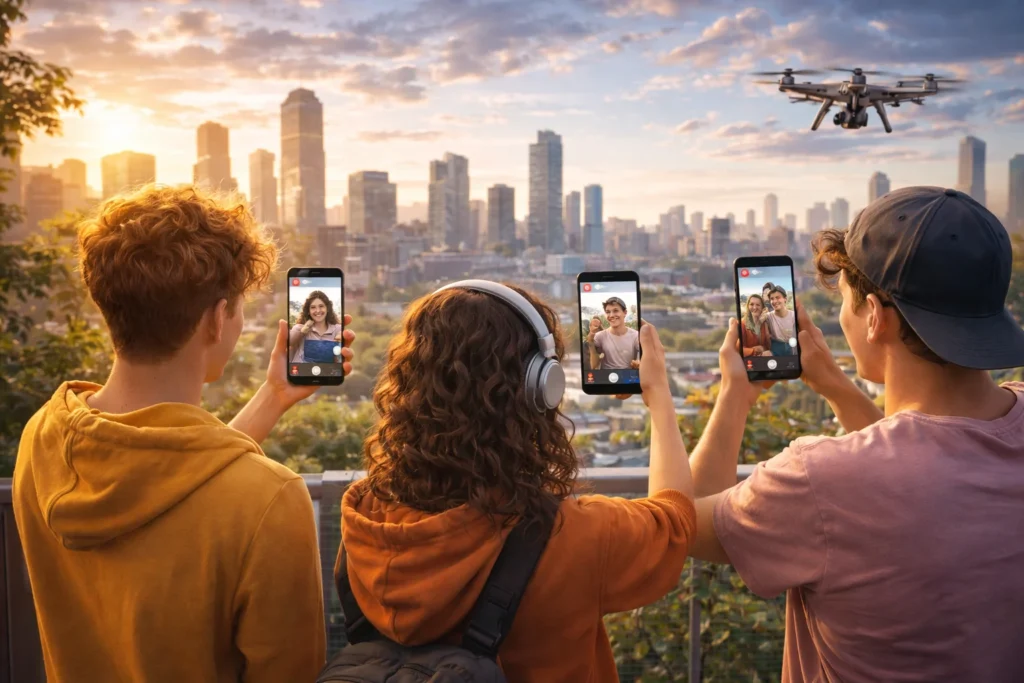
There’s a reason your feed is 90% video now. Platforms like TikTok, Instagram, and YouTube pushed their algorithms to favor video over static posts. Creators noticed the shift and followed where the reach was.
Platforms reward video with better reach, so creators keep producing more of it. Short-form content rules TikTok and Reels, while longer formats are picking up steam on YouTube again. Audiences want quick hits and deeper storytelling, and creators are learning to deliver both.
So what’s the real deal? Video creators land brand deals faster than those relying on static posts. The barrier to entry has never been lower. Production costs dropped, the tools got simpler, and the results keep proving themselves. That’s why top creators went all in on video.
How Do Creators Manage Assets Across Social Platforms?
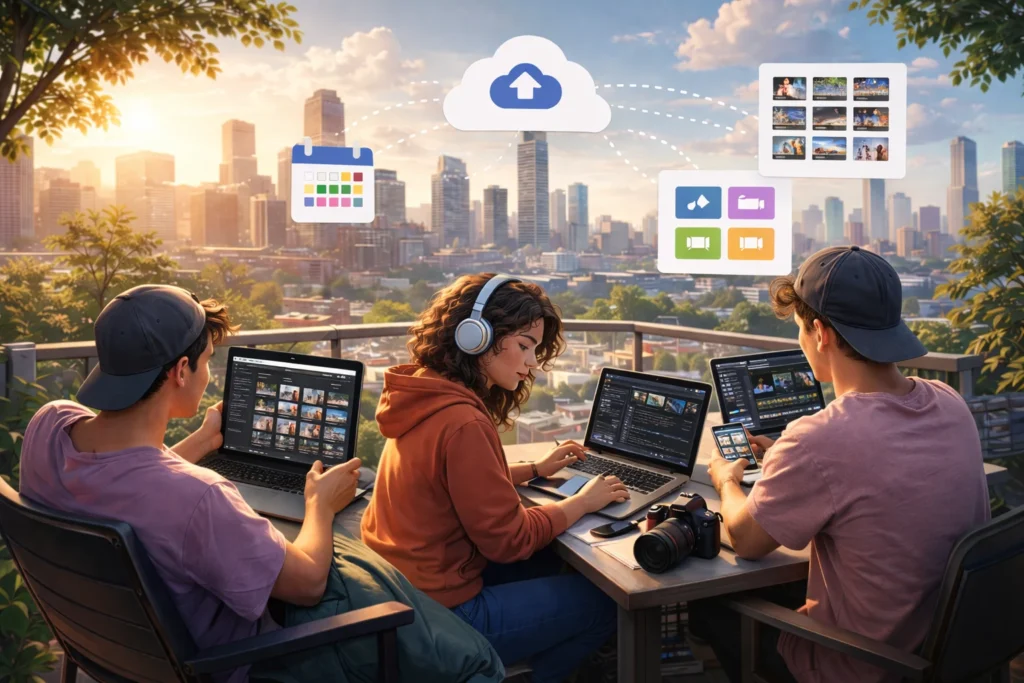
Creators manage assets across social platforms using cloud storage, template libraries, and scheduling tools that sync everything. Managing content across multiple channels gets messy fast. It’s like juggling too many balls at once.
Young creators developed systems to stay organized, and good asset management saves hours weekly. Here’s how they do it.
Cloud Storage Systems
Google Drive and Dropbox keep raw footage, graphics, and drafts accessible from any device. No more digging through folders or emailing files to yourself. When deadlines hit, this kind of system supports smoother workflows and faster decision-making. Everything stays in one place, ready to grab.
Template Libraries
Based on our firsthand experience, experienced creators build reusable templates for thumbnails, captions, and video intros. The result? Less time writing the same captions over and over, and more time on creating. This cuts down repetitive tasks and boosts operational efficiency across the board.
Cross-Platform Scheduling
Tools like Later, Buffer, and Sprout Social let creators schedule posts across Instagram, TikTok, and YouTube from one dashboard. Publishing becomes automatic, so creators can focus on what they do best instead of babysitting each platform.
With the right systems in place, the only question left is what you’ll do next.
Your Move: Start Following the Shift
Young creators have changed how content gets made, shared, and monetized. Traditional workflows can’t keep up with this pace. The good news? The tools, strategies, and systems to catch up are already out there and working for those who use them.
We covered digital creator trends, Gen Z workflows, and why brands are investing heavily. We also explored video’s rise and asset management systems. Each piece connects to help you understand this shift.
Stop waiting on the sidelines. The shift is happening right now. Head over to The Demo Blog and explore what’s next. Our team will take you through every insight you need to stay ahead and keep winning.