The PlayStation’s latest update tells us that Sony is betting big on sustainability, accessibility, and cross-device flexibility. Each patch in 2025 has pointed toward where console gaming is headed next, even if most players didn’t notice.
We’ve tested features like Power Saver mode and Audio Focus ourselves, so we’ve seen firsthand how the system software changes reveal more than typical patch notes suggest.
You’ll walk away from this article understanding what the newest system software update features actually do and why they matter for the gaming industry. We’ll get into sustainability pushes, accessibility tools, and how AI trends are reshaping game development.
All of it hints at where games and devices are evolving.
What’s Inside the PlayStation Latest Update
The PlayStation’s latest update, version 25.08-12.40.00, rolled out in December 2025 and focused mainly on stability. But earlier system software updates throughout the year introduced Power Saver mode and DualSense multi-device pairing. These features show Sony responding to what console users actually want from their devices.
The December patch itself didn’t add much, so most players installed it and moved on without a second thought. If you look at the full year, though, the bigger system software update releases came in April and September, and those patches brought features that changed how the console works day to day.
In April, Sony added Audio Focus and brought back classic PS1 themes after community feedback. Then, in September, the system software update introduced Power Saver mode and let DualSense controllers connect to multiple devices at once. Together, both updates gave players more control over how their console performs and how their games run.
Now, let’s look at the two features that stood out most this year.
Power Saver Mode and Sustainability Push
Power Saver lets you cut your console’s energy use by up to 50% without turning the system off. In simple terms, this system software feature dials back resolution and frame rate in supported games to use less power from your devices.
We tested this ourselves, and a base PS5 console dropped from around 150W to 85-115W with Power Saver on. If you play games for several hours a day or leave your system running between sessions, that difference adds up on your energy bill.
Sony built this feature into the system software update as part of their Road to Zero plan, which aims for net-zero emissions by 2040. As of now, Power Saver works with games like Demon’s Souls, Death Stranding 2, and Ghost of Yōtei, and more titles will likely support the update soon.
Some players also speculate that this low-power mode could be groundwork for a future PlayStation handheld, since the console’s performance profile matches what a portable device would need.
DualSense Multi-Device Pairing
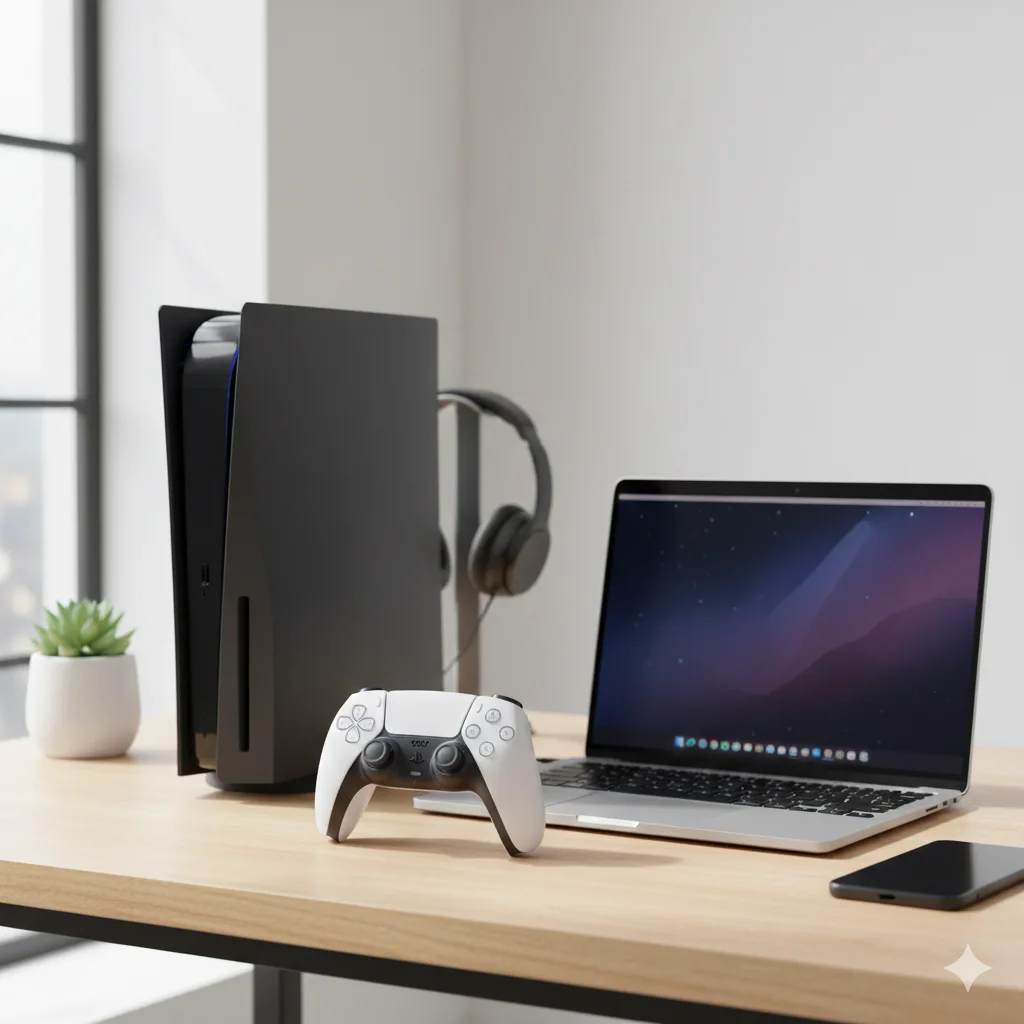
Ever get annoyed re-pairing your controller every time you switch from PS5 to PC? Sony finally fixed that with the September system software update.
DualSense controllers can now connect to up to four devices at once, so switching between your console, PC, and mobile no longer requires you to go through the pairing process each time.
Once that’s established, you just press the PS button and select which device you want to play on.
It’s a small update, but it shows Sony wants you to use their devices across multiple platforms. And for players who game on more than one system, this feature saves time and removes a frustrating step from daily use.
How System Software Updates Reflect Player Priorities
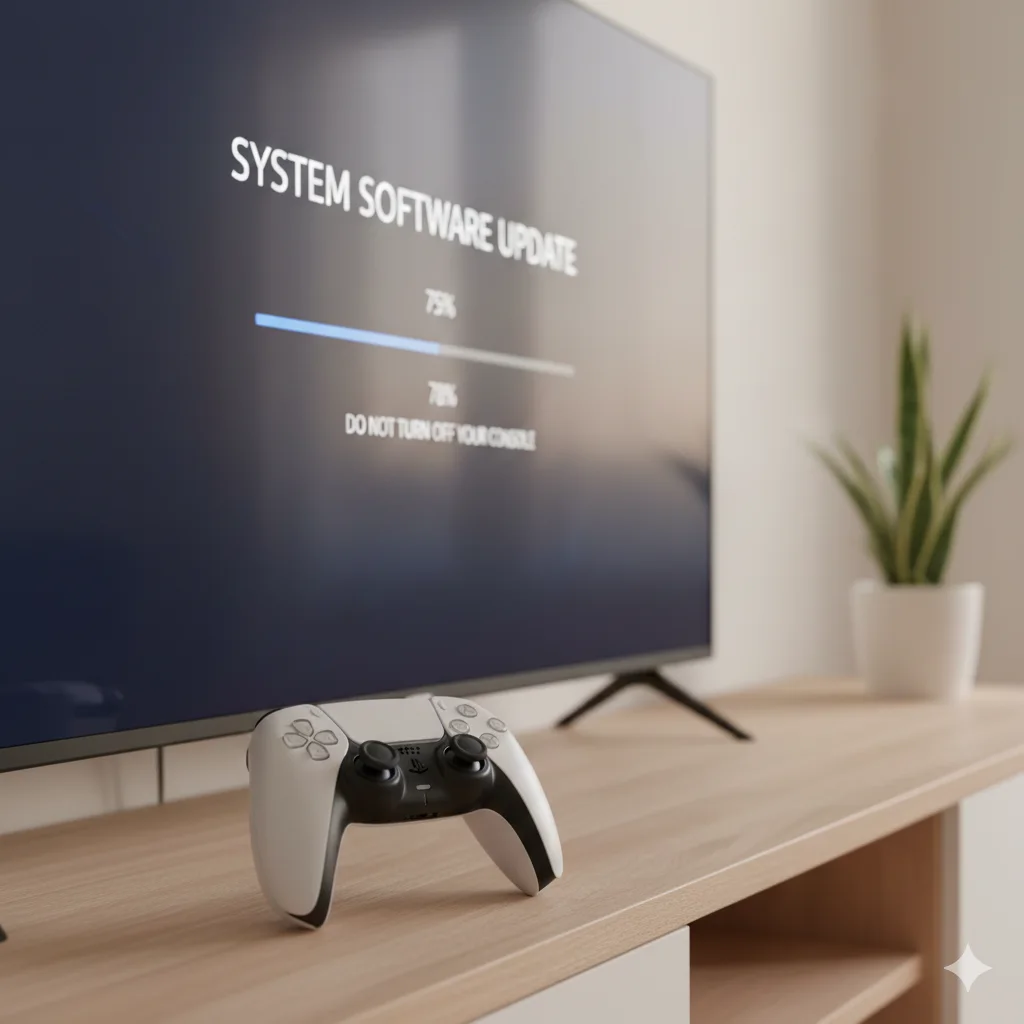
System software updates reflect player priorities by addressing the accessibility requests and customization demands that users have voiced for years. Sony’s 2025 patches prove that the company pays attention when enough players speak up about what they want from their console experience.
For example, the April and September updates brought Audio Focus for players with different hearing needs, along with the return of classic PS1 themes that fans had been demanding since Sony removed them (as we’ve already explained). These changes came directly from community requests, which tells us console makers are watching what users say online.
So, here’s a closer look at what changed and why these features signal where games and devices are headed next.
Audio Focus and Accessibility Features
Audio Focus is a system software feature that amplifies soft in-game sounds like footsteps, dialogue, and environmental audio. If you’ve ever struggled to hear quiet details while playing games on your console, this update gives you more control over what you hear through your devices.
You can access Audio Focus directly from the Control Center by pressing the PS button, so there’s no need to pause your games and dig through system settings. Sony also included four preset options to choose from:
- Boost Low Pitch: Amplifies sounds like engines, rumbles, and bass-heavy effects in games, which helps during action-heavy sequences.
- Boost High Pitch: Brings out footsteps, rustling, and other subtle audio cues that players rely on during gameplay.
- Boost Dialogue: Makes character voices clearer, especially useful when playing story-driven games with lots of conversation.
- Boost Party Chat: Prioritizes voice chat from friends over in-game sounds, so your team always comes through.
These presets make it easier for users with different hearing needs to enjoy their console without constantly adjusting system settings, and they install automatically with the update.
Welcome Hub and Classic Themes
Remember when Sony removed those nostalgic PS1 anniversary themes? Believe it or not, the company initially offered 30th anniversary themes as a limited-time feature, then yanked them after two months.
Players weren’t happy about the removal, so the community made sure Sony heard about it on social media and forums. After enough users voiced their frustration, Sony reversed course and made the classic themes a permanent part of the system software in April 2025.
That same update also improved the Welcome Hub, which now displays your playtime stats, trophy milestones, and recently played games right when you power on your console. If you want quick access to these features, you can press the PS button and view everything from your devices without digging through system settings.
It turns out that sometimes complaining on the internet actually works.
What This Signals for Game Developers
These system software updates signal that game developers need to build with sustainability and accessibility in mind from the start. Since Sony is no longer treating these features as optional extras, that shift affects how studios approach game creation for the console.
What’s more, Sony’s documentation strongly recommends that teams support Power Saver and VRR in their games, which means factoring in sustainability modes during the development process rather than patching them in later. That’s a shift studios can’t afford to ignore if they want their titles featured on the platform.
Also, first-party teams have already started adapting to these system software requirements, with Demon’s Souls, Ghost of Yōtei, and Death Stranding 2 all supporting the Power Saver update. And more games from major studios will likely follow as Sony pushes the feature harder across the industry.
For smaller devs working on indie titles, this adds another layer to development, but it also reflects where the gaming industry is headed. Console games are expected to evolve alongside the devices they run on, not just in graphics or gameplay, but in how they use power and connect with users.
AI Tools Are Reshaping Game Development
Now, let’s talk about something that’s changing game development even faster than firmware updates.
According to a 2025 Google Cloud survey, 90% of game developers already use AI in their workflows. That number alone tells you how quickly studios have adopted these tools across the industry.
Here’s a breakdown of where devs are putting AI to work in their games:
| AI Use Case | % of Devs Using It |
| Playtesting and balancing | 47% |
| Localisation and translation | 45% |
| Code generation and scripting | 44% |
| Dynamic level design and dialogue | 36% |
We’ve seen this firsthand across the industry, and the data backs up what studios have been telling us.
Teams are leaning on AI tools for concept art, NPC dialogue, and procedural world-building in their games. Ubisoft even confirmed they’re using Google Gemini to power AI-driven NPCs in some of their titles, so the tech has clearly come a long way in the last few years.
That said, not everyone’s thrilled about the shift. Around 30% of devs say AI harms the industry (up 12 points from 2024, according to GDC data).
Concerns about job displacement, ethics, and game quality keep surfacing whenever studios announce new AI features. And the debate around how teams should use these tools isn’t going away anytime soon.
Where the Gaming Industry Is Headed Next
Paying attention to system software updates gives you a preview of what’s coming before official announcements drop.
As we’ve already covered, console updates hint at a future PlayStation handheld using similar low-power profiles to what we’re seeing with Power Saver mode. Plus, Digital Foundry and other industry analysts have connected the dots between the system performance specs and rumoured portable hardware, so the signs are hard to miss if you know where to look.
Cloud gaming and cross-platform play keep growing across the industry as well. According to BCG’s Video Gaming Report, cloud gaming revenue is expected to jump from around USD 1.4 billion in 2025 to roughly USD 18.3 billion by 2030. That’s a massive shift in how players will access their games and devices in the coming years.
The broader console market remains healthy too, with Grand View Research projecting it to reach USD 47.58 billion by 2033 at a 6.7% CAGR.
At its core, this comes down to one thing: player expectations now include sustainability, accessibility, and seamless device switching.
Five years ago, nobody asked for a Power Saver mode on a home console, but now it’s becoming a standard feature in the system software. The companies and studios that recognize these emerging trends and adapt their games accordingly will stay ahead of the competition.
What the Next System Software Update Might Bring
If 2025 is any indication, future PS5 system software updates will likely expand Power Saver support and add more accessibility features to the console. Sony has shown it listens when users speak up, and the trends point toward a more flexible gaming ecosystem.
On top of that, studios and devs who pay attention to these system shifts will have an easier time creating games that connect with players across devices.
Keep an eye on those patch notes. For more insights on gaming industry trends and tech updates, check out The Demo Blog.