
You check your phone, scroll through recommendations, and tap “buy now.” Behind the scenes, someone is taking notes. Yes, it’s those tech companies tracking your every move.
Now, you might think your individual consumer behavior doesn’t count for much. Actually, plenty is riding on it. Every one of your clicks, streams, or purchases feeds into metrics that Big Tech treats as assets, and you shape products in places you don’t even see.
In this guide, we’ll cover:
- What actually drives your tech choices
- How your clicks feed product development
- Why companies track behavior patterns you don’t notice
- When your habits become tomorrow’s features
Ready to see the influence you didn’t know you had? Let’s get into it.
What Drives Consumer Behavior in Tech Adoption?
Tech adoption comes down to two things: what’s happening in your head and what’s happening in your wallet.
Let’s look at how each one influences your decisions.
Psychological Responses Shape Your Digital Choices
Your current mood changes what you click, buy, or abandon within seconds. Frustration makes you quit apps faster, while happiness keeps you scrolling longer. These emotional states change constantly based on stress, recent experiences, and time of day.
Past disappointments stick with you, too. If an app crashed during checkout last month, you’ll hesitate before trusting a similar platform today. This is why first impressions in tech adoption are so important. One bad experience creates lasting resistance.
Economic Factors Behind Buying Behavior

Money shapes tech adoption in practical ways. It’s less about first impressions and more about what actually fits your budget right now. When your disposable income tightens, that curiosity about new apps turns into caution. You start comparing prices for everything instead of just impulse-buying.
Subscription fatigue makes this worse. Once you’re juggling several monthly payments, even a $9.99 fee doesn’t slip past unnoticed anymore. You catch yourself questioning whether you really need it. Over time, the habit moves from adding new services to cutting back on the ones you already have.
Your Daily Clicks: How They Feed Big Tech’s Next Product
One day, you log into Netflix and notice a new “skip intro” button sitting right where you need it. Nobody asked for this feature directly, but millions of people kept clicking the progress bar at the same moment every episode. That’s not a coincidence.
Companies track which features get used, ignored, or abandoned to decide what improves next. If shoppers repeatedly drop off at the payment screen, it signals friction in the checkout flow. Users hesitating or struggling on the same page? It shows confusion that no feedback form ever captures.
And engineers don’t miss these moments. They see thousands of users hit the same obstacle, and the pattern tells them everything they need to know. They don’t need surveys asking what you want. They just watch what you actually do, and that becomes the blueprint for what gets built next.
Consumer Behavior Patterns Companies Track (And Use)
You know your clicks get tracked. But which patterns are companies actually watching? It varies by brand, but these five tend to show up across industries:
- Session Length: If users leave within two minutes, something’s broken. When they stay for thirty, the product is doing its job. Timing helps companies separate friction from value.
- Click Patterns: The route people take before buying is more important than the purchase itself. Hesitating on pricing pages signals doubt, while rushing from homepage to checkout shows clear intent. Tracking these routes helps brands improve the experience and reduce drop-offs.
- Return Frequency: How often someone comes back tells companies a lot. Daily visits mean the product has become part of a routine, while weekly check-ins suggest casual interest. A single visit with no return signals a problem worth investigating.
- Device Switching: People often start on mobile but finish on desktop. Tracking this behavior shows real-world workflows and lets companies optimize each platform for its specific role in the user journey.
- Ignored Features: When nobody clicks a button for months, it disappears in the next update. Usage data provides better market research than asking what people think they want.
Once these patterns repeat at scale, they stop being observations and start becoming product decisions.
Your Habits Become Tomorrow’s Features
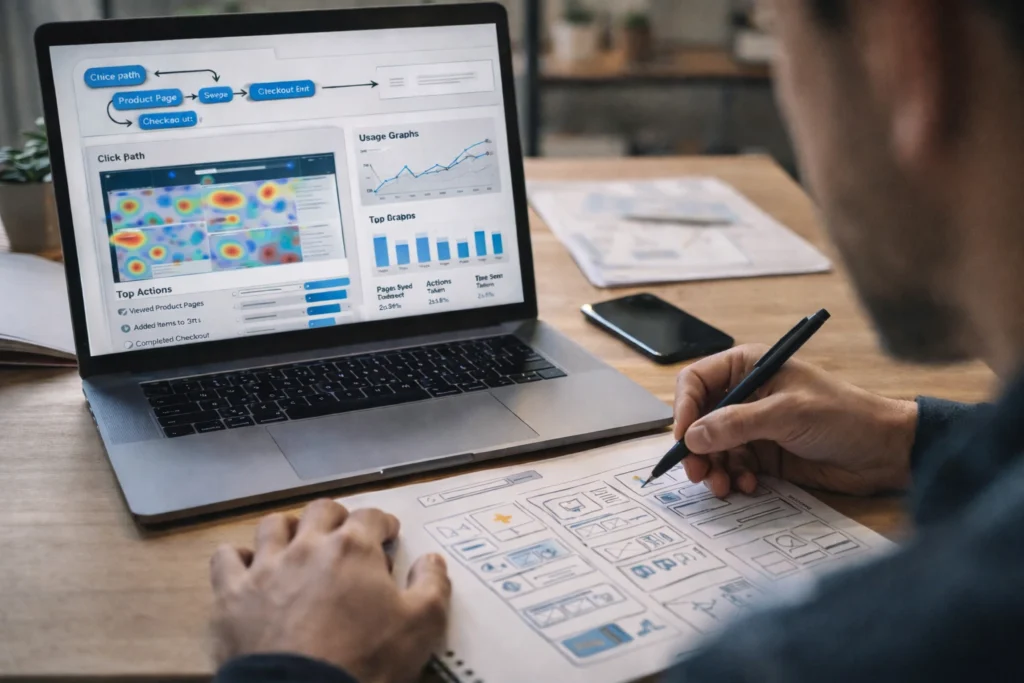
Data analysis lets tech companies study what millions of people do and turn those patterns into features everyone ends up using. The process starts when engineers notice the same actions repeated at scale.
Say you click through three menus every day to reach a setting you use often. If thousands of users follow the same path, engineers combine it into a single button. You never asked for the shortcut, but it appears because your habit exposed the friction.
The same logic applies to navigation and workflow. When users repeatedly hit “back” to find a buried feature, companies redesign the interface. Watching how people actually use the product shows which workflows frustrate users most, and these become top priorities for agile development teams.
That’s why companies watch behavior instead of asking questions. Repeated actions reveal what needs fixing, and they directly shape the features you’ll love using next.
How Family Members Change Your Buying Behavior
Your teenager asks for Spotify Premium because “everyone at school has it.” Suddenly, you’re paying for another subscription. Sound familiar? We’ve all been there. Family members create some of the strongest social factors that shape your buying behavior.
Here’s how it plays out:
- Kids Drive App Adoption: Reference groups at school become more powerful than any marketing campaign. When your kid sees classmates using TikTok, that becomes their top priority, and you’re the one paying for it.
- Shared Accounts Blend Preferences: Spouses sharing streaming accounts shape each other’s viewing habits. Netflix recommendations combine both users’ patterns, so your partner’s reality show obsession starts influencing what appears on your home screen.
- Family Recommendations Override Ads: Extended family endorsements carry more weight than advertisements. When your aunt swears by a product at dinner, you’ll try it faster than any targeted ad could convince you. Social factors from trusted sources guide buying decisions better than algorithms.
Tech companies know this. That’s why they build sharing features and family plans that make one person’s choice pull everyone else along.
Building Customer Loyalty Through Invisible Nudges
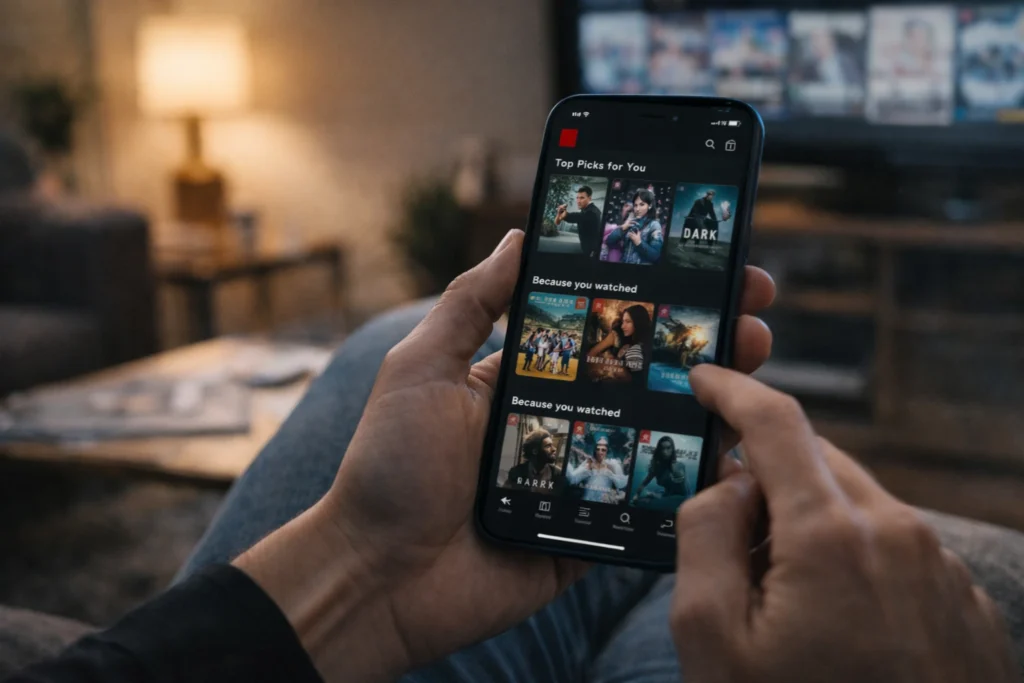
Companies keep you coming back without you realizing it. It’s subtle, but it works better than any billboard ever could.
Take personalized recommendations. They feel helpful on the surface, but they’re actually training you to check in daily. Netflix suggests shows based on your viewing history, and before you know it, you’re opening the app every evening. Brand loyalty grows through these tiny habits, and the algorithm figures out what keeps you engaged.
Then there’s loyalty programs. You’ve accumulated points, unlocked tiers, and gotten used to perks. Walking away suddenly feels like losing something you’ve earned, even when switching is technically free. These strategies turn convenience and rewards into stickiness.
The checkout process plays a role, too. One-click buying and saved payment methods remove friction at the exact moment you might reconsider. These conveniences reinforce habits, gradually shaping expectations so that anything requiring extra steps starts to feel annoying.
You’ve Been Influencing Tech All Along
Next time you abandon a shopping cart or binge-watch a series, remember something: you just voted on what tech builds next. Think about that for a second.
Companies treat your consumer behaviour as their primary feedback loop. Your purchasing decisions and usage patterns feed directly into product development cycles. The features that frustrate you today get redesigned tomorrow because engineers watched you struggle.
You don’t need surveys or focus groups to influence the tech industry. Just keep using products naturally. Your daily habits already guide what gets built, improved, or removed.
Want more insights on how technology shapes our world? Visit The Demo Blog for fresh perspectives on emerging tech trends every week.